Extremoo
MIT-DEV built Extremoo AI, a private, multi-model AI workspace for a company in the online affiliate space: one secure place where its teams work with large language models on their own knowledge, fed with structured data about the websites they track.
Visit live site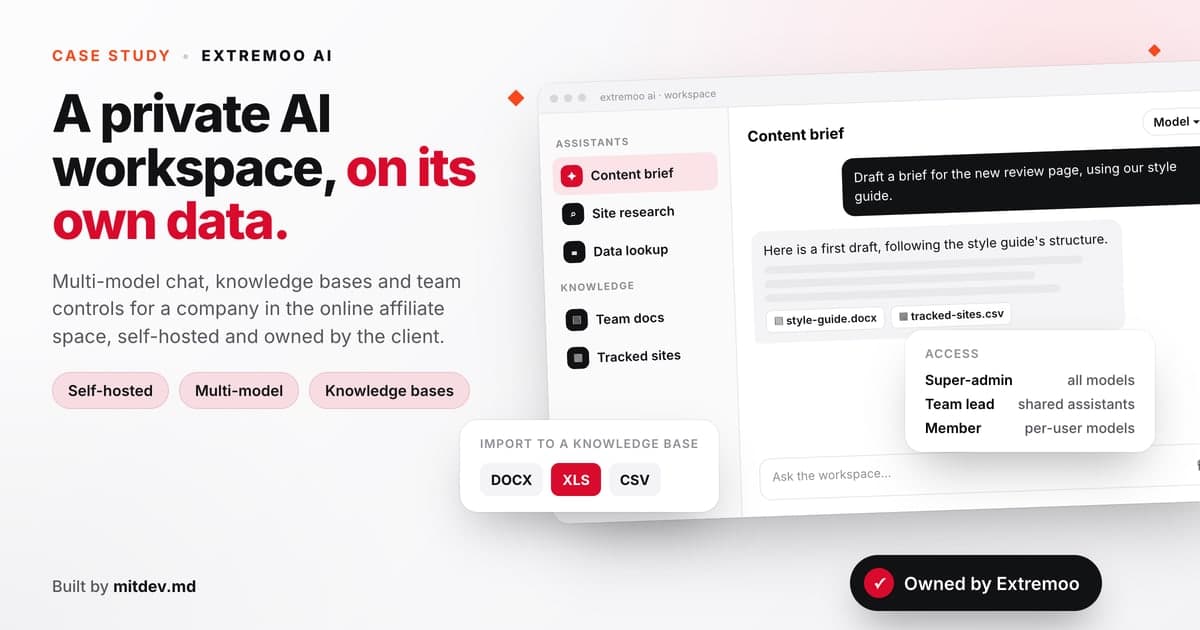
Extremoo works in the online affiliate space, where teams research websites, write content and analyse data every day. MIT-DEV built Extremoo AI for them: a private, multi-model AI workspace on top of the company's own knowledge, and a data layer that feeds it with structured information about the affiliate websites the company tracks.
The challenge
Extremoo's teams were already using AI, but in scattered public chat tools: outside the company's control, without its knowledge, and with no view of who used what. The company wanted one place of its own, that is:
- Private: self-hosted, so conversations, documents and data are stored in the company's own deployment.
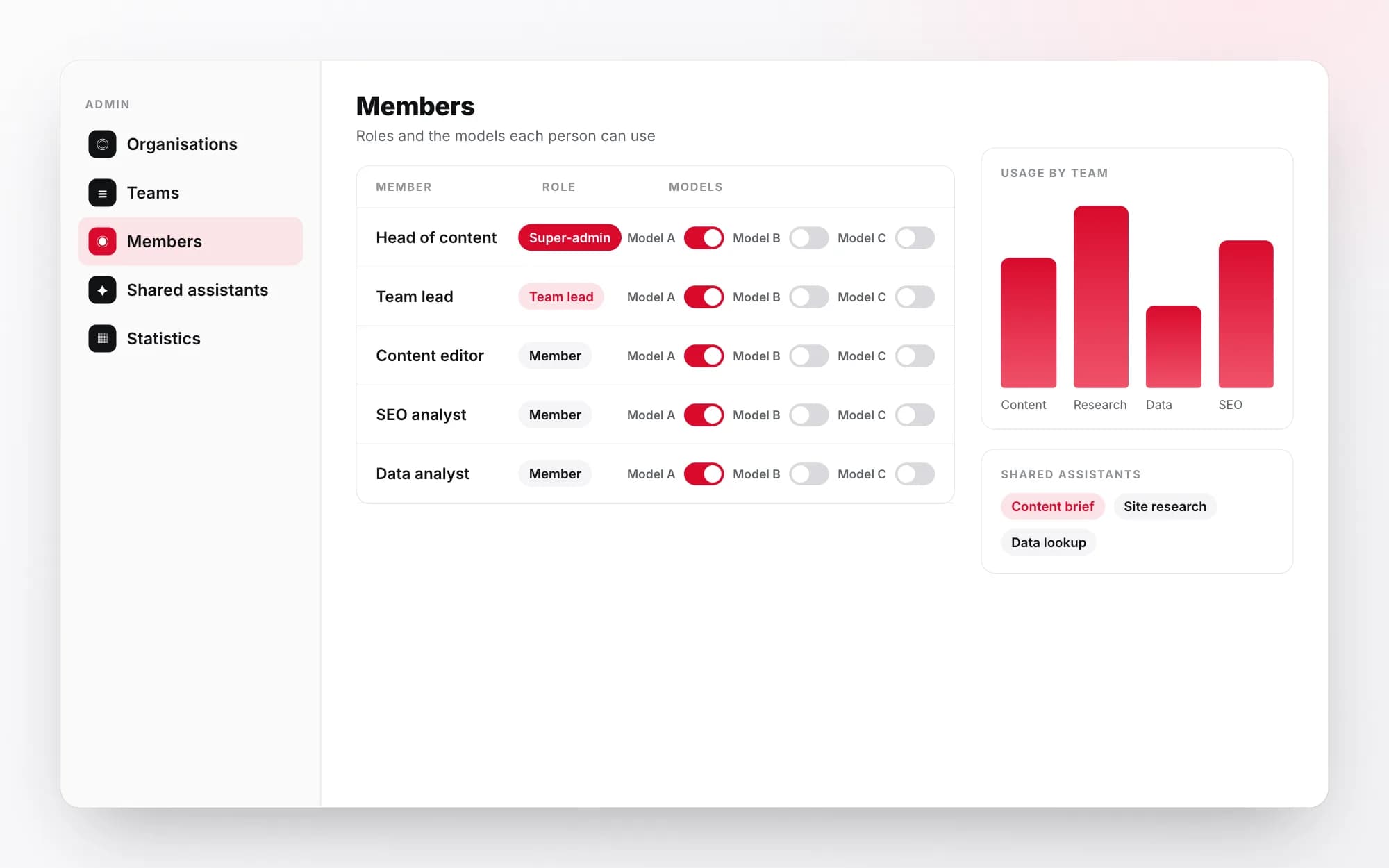
- Organised: teams, roles and shared assistants, with control over which models each person can use.
- Grounded: answers built on the company's own documents and on structured data about the websites it tracks.
Scattered public AI tools
- Teams on public chat tools, outside company control
- Company knowledge kept outside the conversation
- No view of who uses which model
One private AI workspace
- Several models in one self-hosted workspace
- Knowledge bases built from the company's own files
- Roles, shared assistants and usage statistics
What we built
A workspace for the whole organisation. Organisations, teams and role-based access. Super-admins publish shared assistants and decide which models each user can work with, and admin statistics show usage across users and organisations.
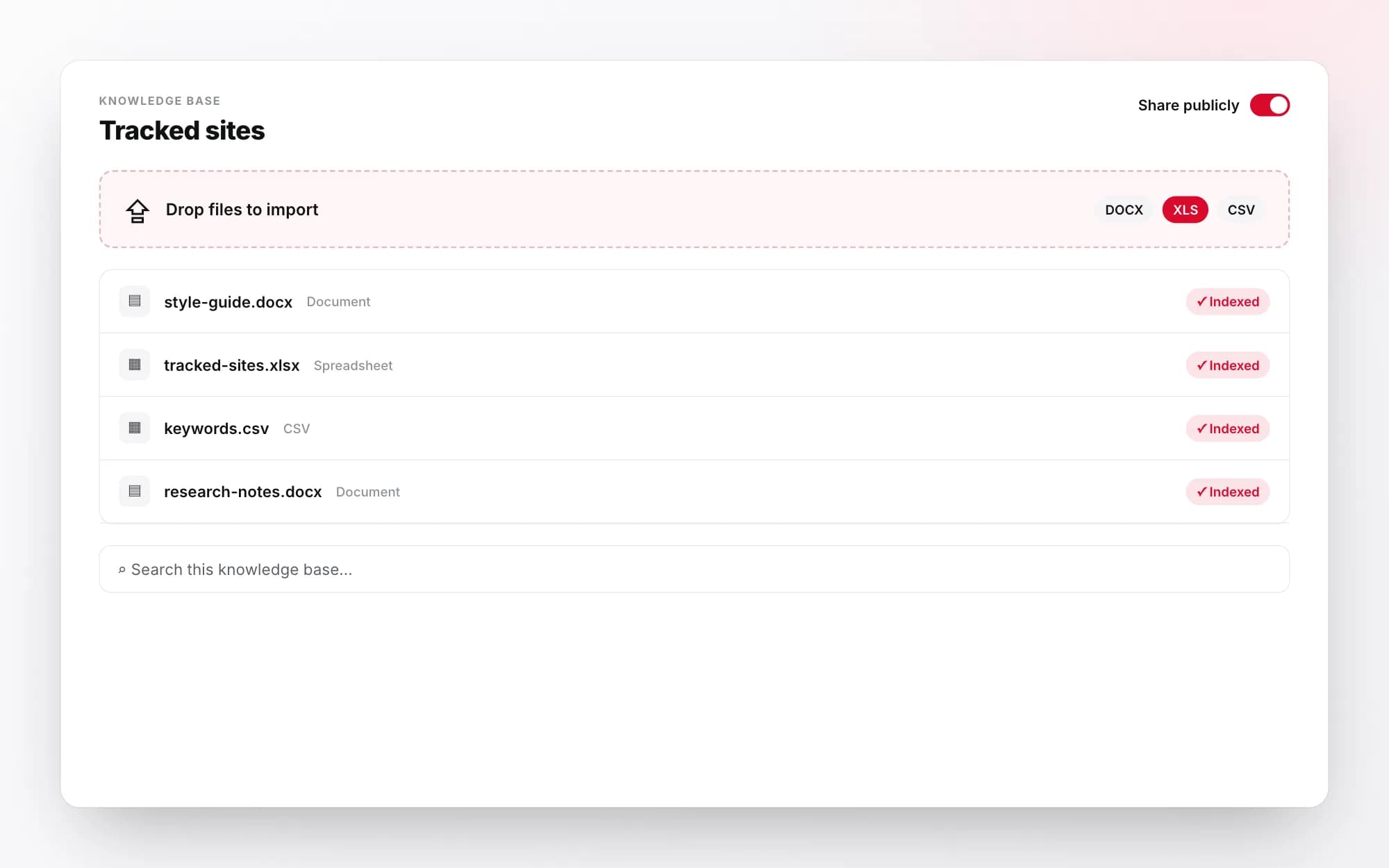
Knowledge bases from the company's own files. Teams import documents, XLS and CSV files directly into knowledge bases, search them, and share a knowledge base publicly when they need to. Vector search finds the passages that answer each question.
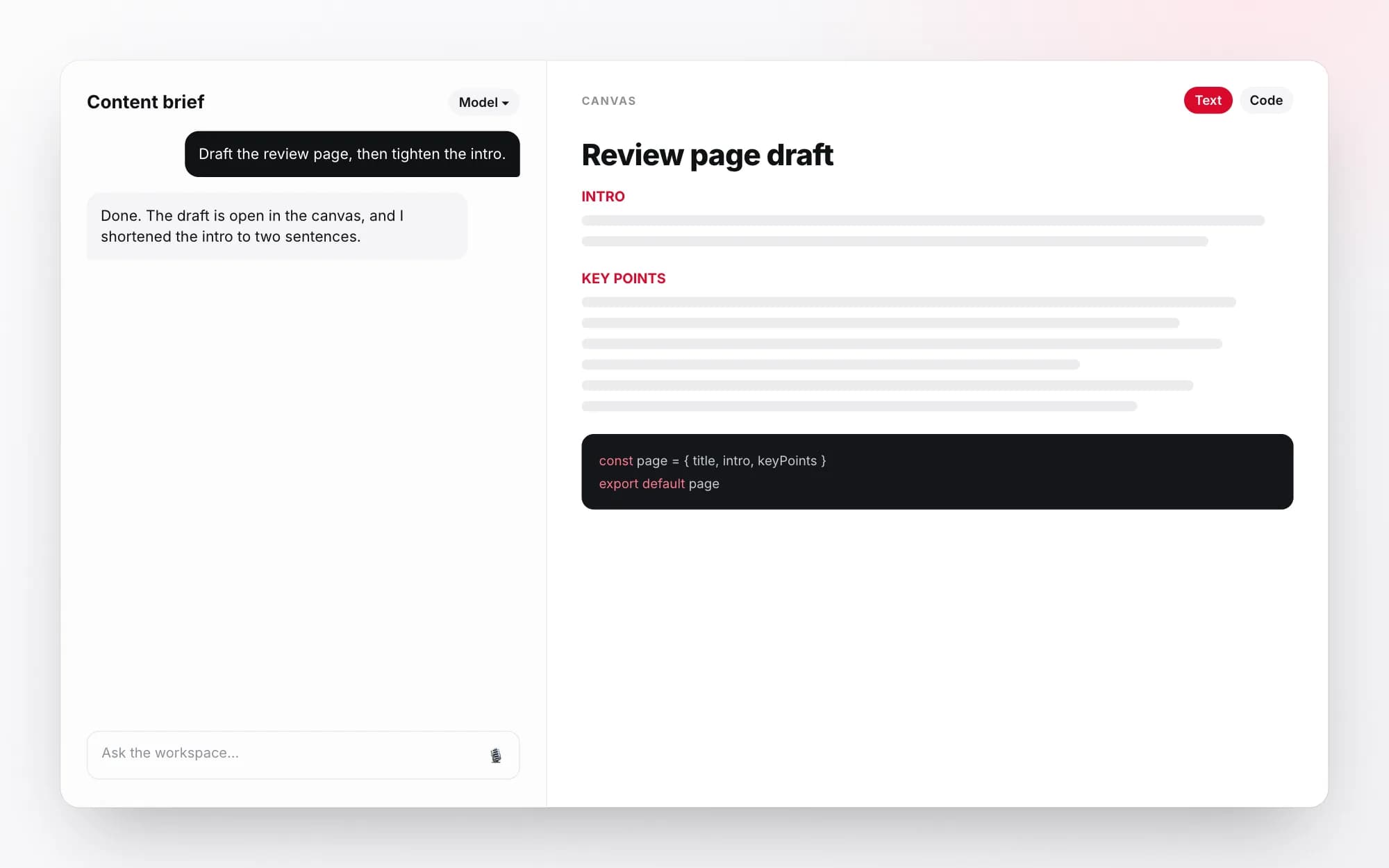
A canvas next to the chat. Generated content and code open in a canvas editor beside the conversation, so a draft is edited where it was produced.
Long chats that keep their context. Conversation compression condenses earlier turns, so a long working session does not lose what was said at the start.
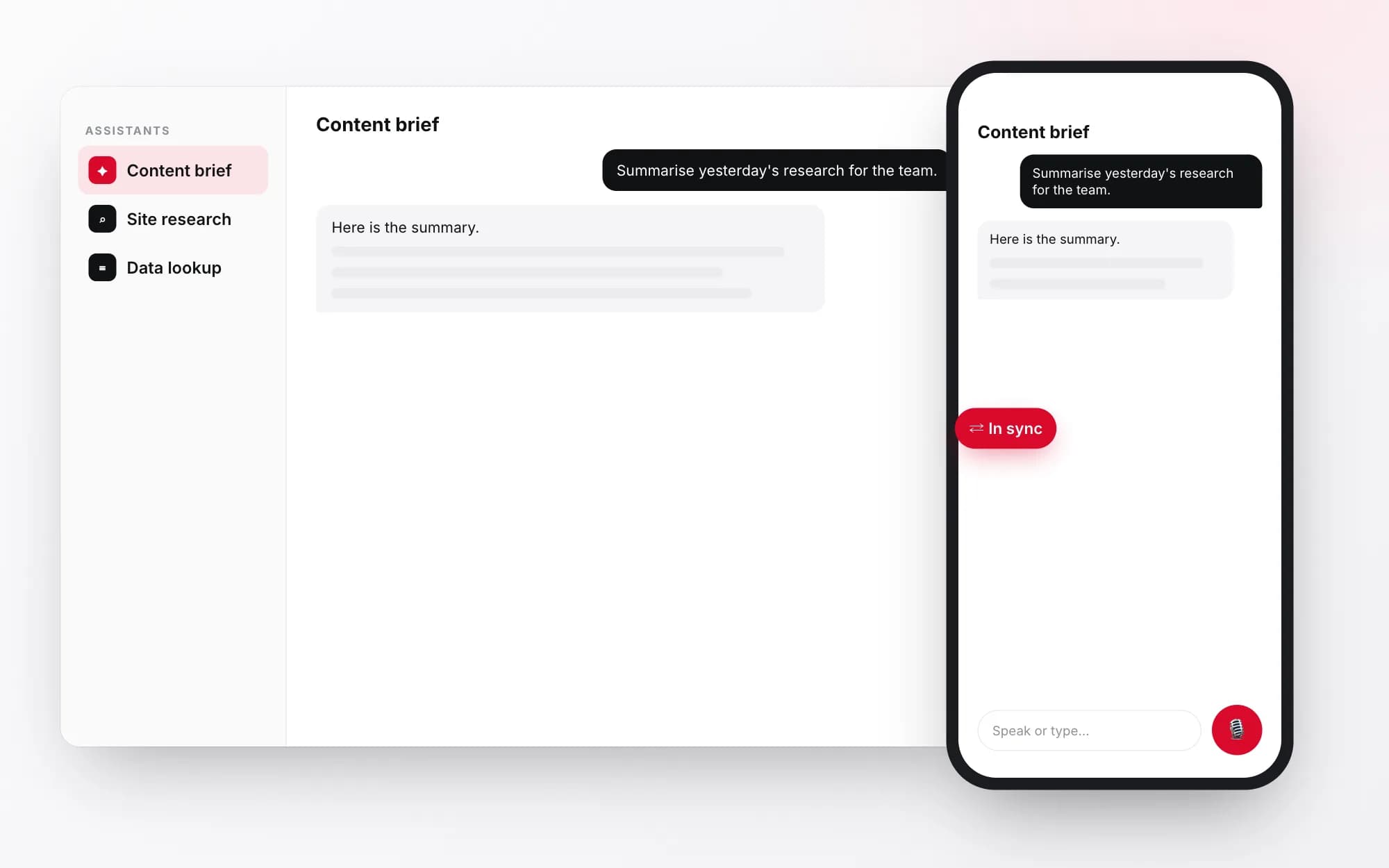
Desktop and mobile, in sync. The same workspace, assistants and conversations on desktop and mobile, with audio input.
Feeding it with data
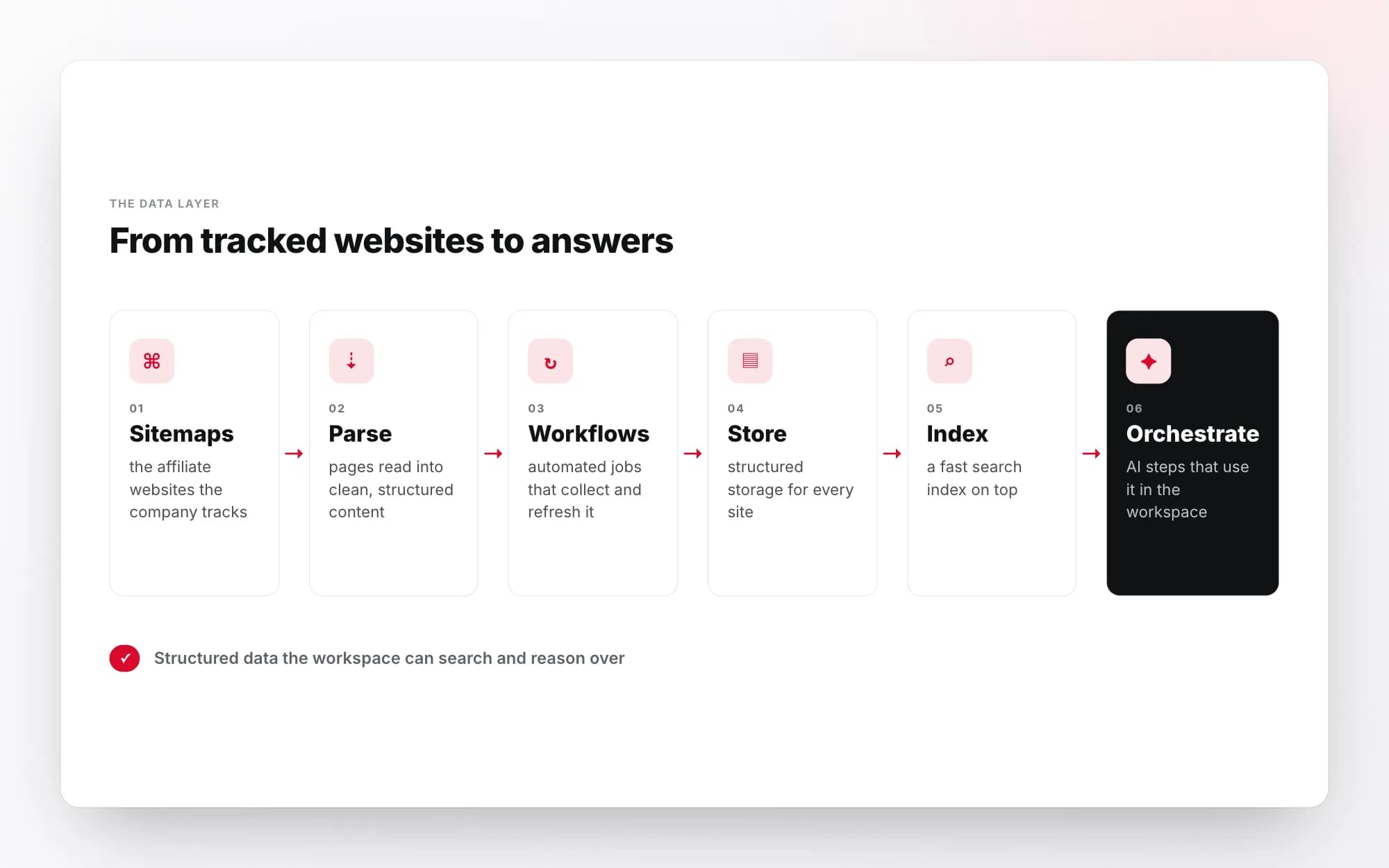
In parallel, MIT-DEV ran R&D on the data layer that grounds the workspace in what Extremoo tracks: parsing affiliate websites from their sitemaps, automated workflows that collect and refresh that data, structured storage, a fast search index on top of it, and orchestration of the AI steps that use it.
Under the hood
Four decisions shaped the platform:
- Open source, not from scratch. The workspace starts from LobeChat, a proven open-source chat platform, customised and extended into an organisation-ready product. Extremoo got a mature interface fast, and owns the code and the deployment.
- Self-hosted on Kubernetes. The platform runs on Google Kubernetes Engine as Extremoo's own deployment, so conversations, knowledge bases and usage data are stored on infrastructure the company controls.
- Many models, one place. Teams work with several large language models side by side, and admins decide who uses which, so the company is not tied to a single provider.
- Grounded in the company's data. A dedicated vector database powers knowledge-base search, and the data layer keeps structured information about tracked websites ready for the AI to use.
The result
An AI workspace Extremoo owns and controls, grounded in its own knowledge and data, and built to grow with its content and research workflows.